Strategies and policy recommendations to follow situational analysis facilitated by ADB and WHO on SL request
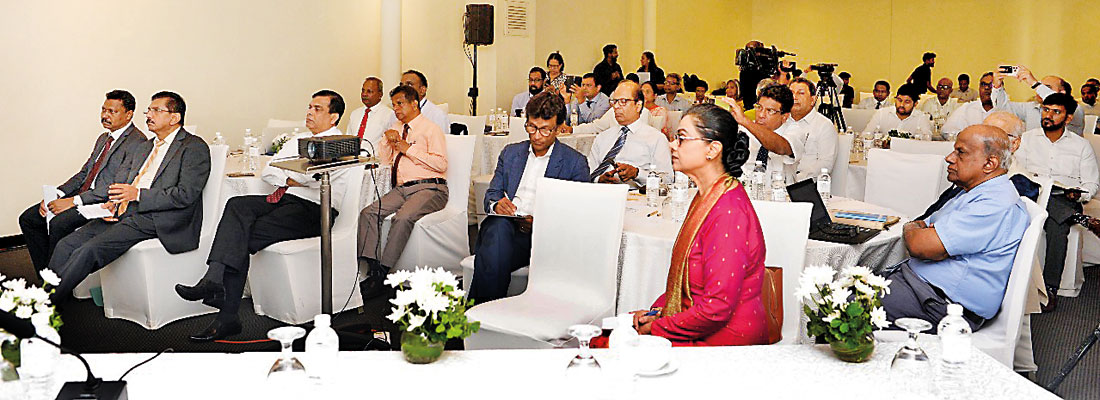
Interactive and in-depth were the sessions on a matter of vital importance for Sri Lanka and its people recently – ensuring ‘medicine security’ just like ‘food security’.
The brainstorming was to develop strategies and policy recommendations to boost local pharmaceutical manufacturing and sustainability, ensuring safety, efficacy and affordability while cutting down import-dependence. With the presentation of a comprehensive ‘Situational Analysis of the Medical Products Industry in Sri Lanka’, the stakeholders from wide and varied fields including the pharmaceutical industry discussed concerns, challenges, negatives and positives.
This analysis, on the request of the Sri Lankan government, has been facilitated by the Asian Development Bank (ADB) and the World Health Organization (WHO). Funded by the ADB as part of the ‘Economic Viability Study of Domestic Pharmaceutical Manufacturing in Sri Lanka’, it had been conducted by a team of consultants including Prof. Asita de Silva and Prof. Sudip Chaudhuri.
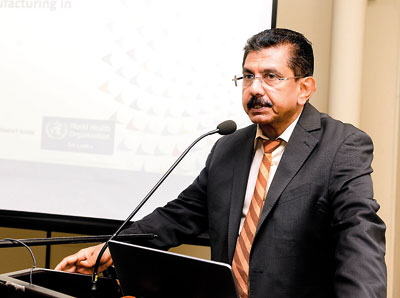
The vision for Sri Lanka put forward by Prof. de Silva is:
- Coverage of 80% of essential drugs to be produced locally
- Good Manufacturing Practice (GMP) production of essential drugs and universal access to high-quality essential medicines and health technologies
- Development of human capital in science and technology to support the growth of the pharmaceutical sector
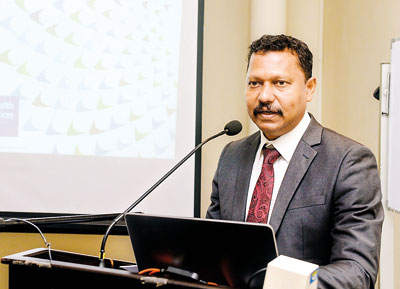
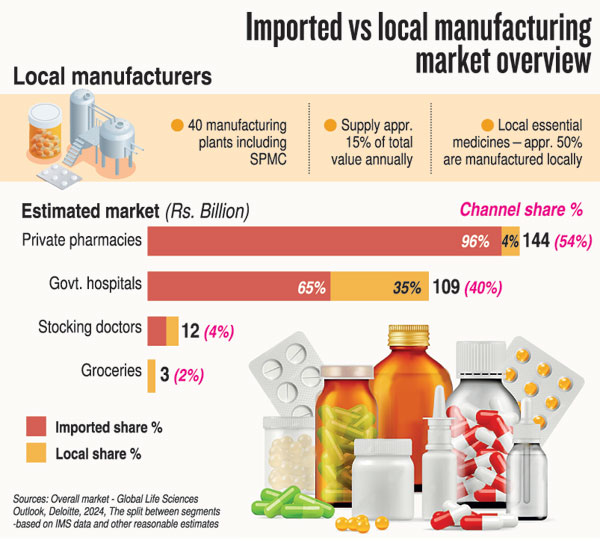
Prof. Chaudhuri pointed out that local pharma production accounts for only 15% of the pharmaceutical formulations market, and that long-term policy consistency and targeted support can help the domestic industry flourish while securing national medicine supplies.